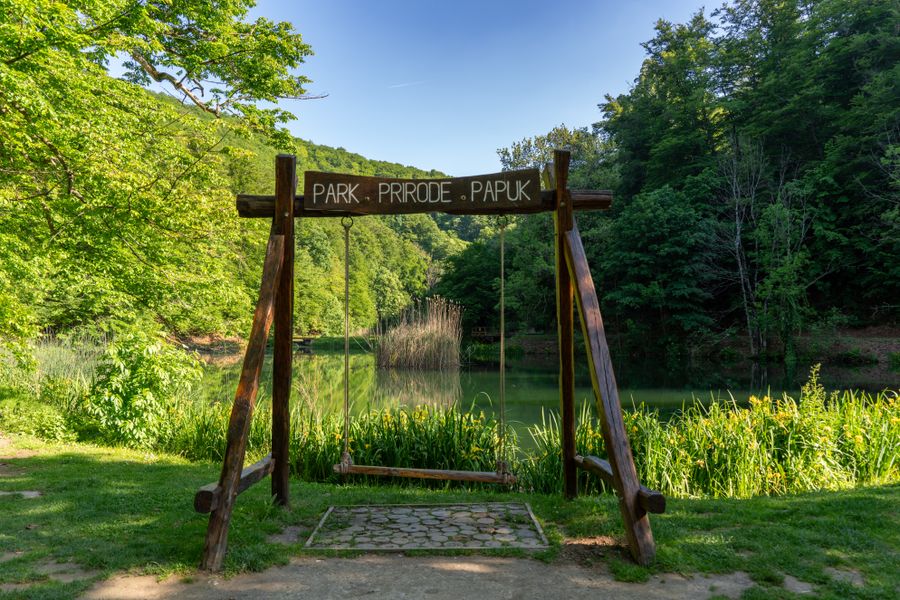
教学示意图:公园绿地——比较高矮与长短
Tom is taller than Mike.
Tom is taller than Mike. 汤姆比迈克高。两者比较,形容词变比较级(tall → taller),后面加 than 引出比较对象。
构成规则:一般单音节词加 -er(tall → taller,fast → faster);以 e 结尾只加 -r(nice → nicer);辅音 + y 结尾变 y 为 i 加 -er(happy → happier);重读闭音节双写末尾辅音(big → bigger,hot → hotter)。
修饰比较级可以用 much / a lot / a little:This book is much more interesting than that one. 这本书比那本有趣得多。
两者比,用 -er + than;三者比,用 the + -est。
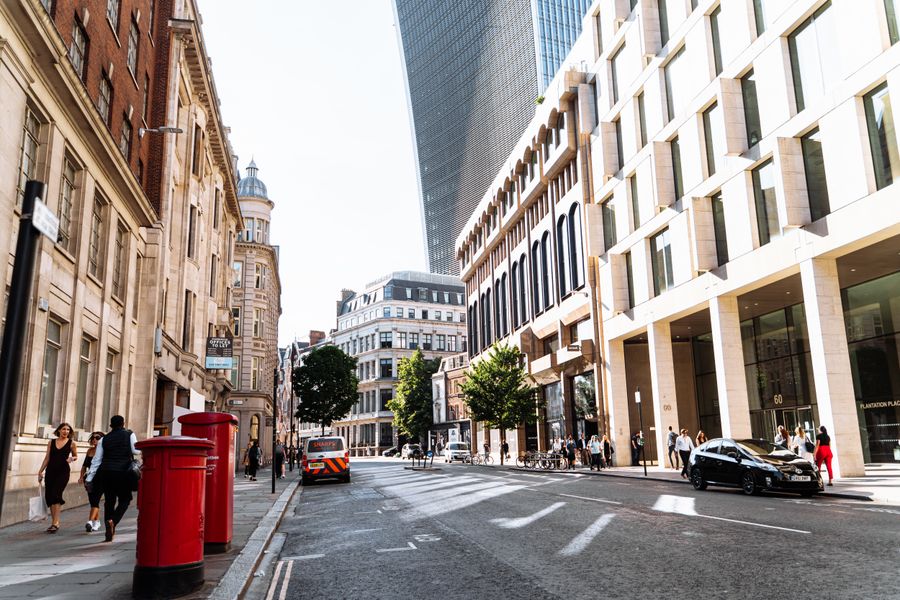
教学示意图:城市街景——最高级场景
三者比较用 the most / -est
This is the tallest building in the city. 这是城里最高的楼。三者及以上比较,用 the + 最高级,常配 in / of 短语说明比较范围。
长形容词(多音节)比较级用 more,最高级用 most:beautiful → more beautiful → the most beautiful;interesting → more interesting → the most interesting。
不规则形式要牢记:good / well → better → best;bad → worse → worst;many / much → more → most;little → less → least;far → farther → farthest。例如:She is the best student in our class.
展开 ▾-er / -est
短形容词
tall-taller-tallest;big-bigger-biggest(双写);happy-happier-happiest(变 y 为 i)。
展开 ▾more / most
长形容词
beautiful → more beautiful → the most beautiful。多音节词一律用 more / most。
展开 ▾than / the
比较级与最高级标志
比较级常跟 than;最高级前加 the,后常接 in / of 短语表范围。
展开 ▾不规则形式
需单独记忆
good-better-best;bad-worse-worst;many-more-most;little-less-least。