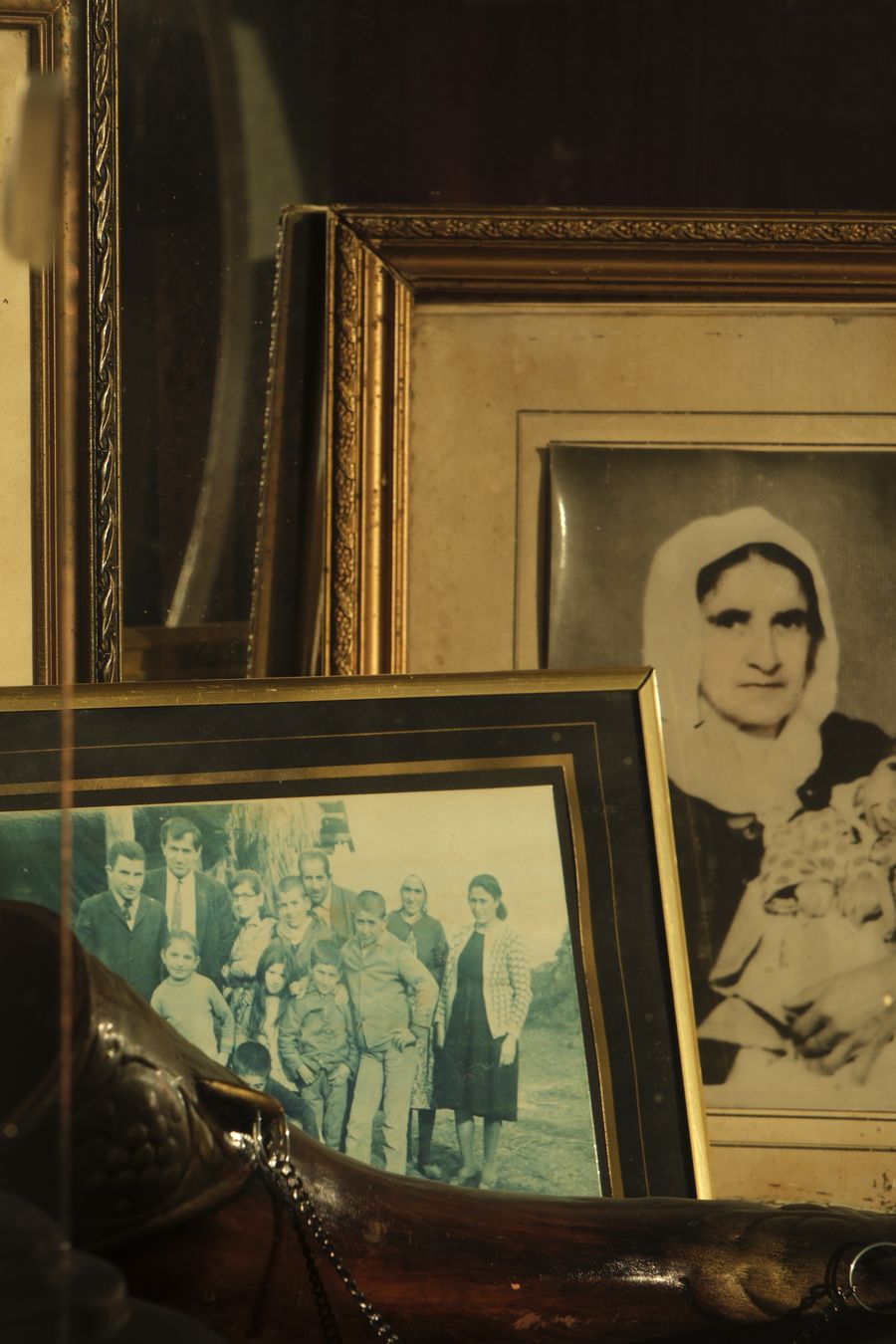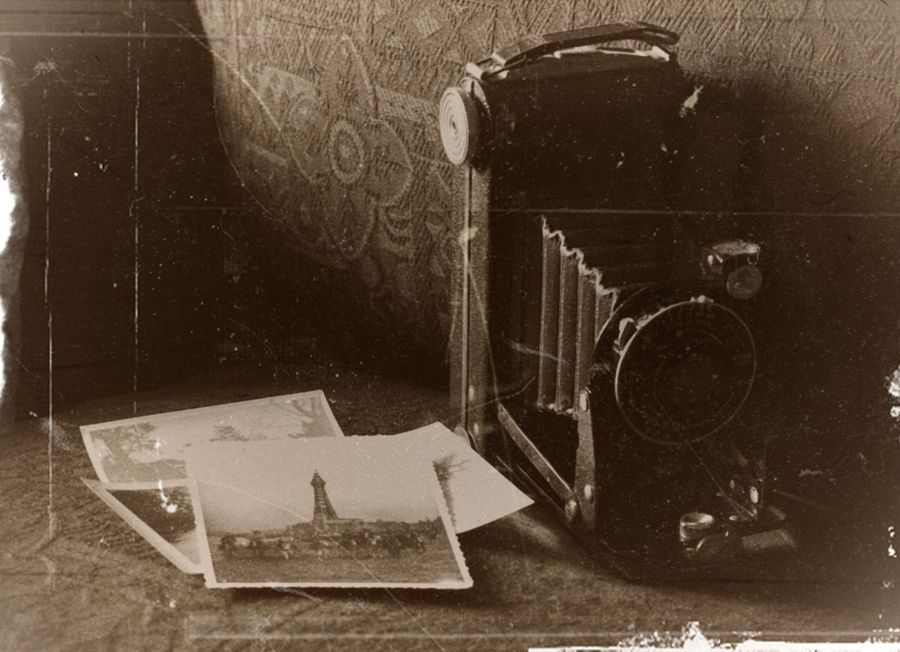
教学示意图:老相机与旧照片——过去的记忆
We visited Grandma last summer.
Last summer, we visited our grandma in the countryside. We stayed there for a week. 句末的 last summer 是明显的过去时间信号,动词也换成了过去式 visited、stayed。
规则动词变过去式:一般直接加 -ed(work → worked,play → played);以 e 结尾只加 -d(live → lived,use → used);辅音 + y 结尾,变 y 为 i 加 -ed(study → studied,carry → carried)。
be 动词的过去式特殊:am / is → was,are → were。I was ten years old then. They were at the park yesterday.
过去的时间状语是钥匙:yesterday、last...、...ago、in + 过去年份。
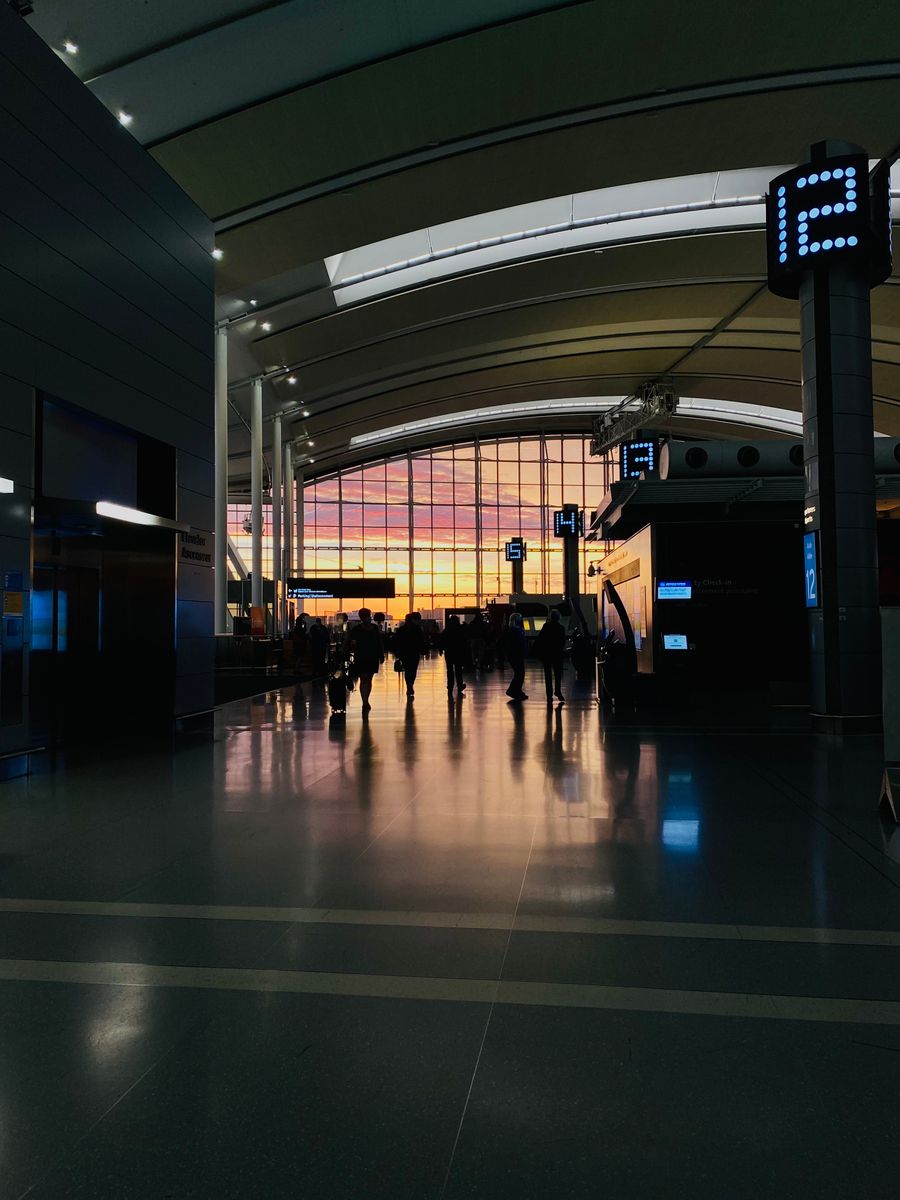
教学示意图:机场——一次过去的旅行
不规则动词:需要"特别记忆"
很多常用动词的过去式不规则,必须逐个记:go → went,come → came,see → saw,do → did,have → had,eat → ate,take → took,get → got,make → made,buy → bought,fly → flew,ride → rode。
看这段旅行日记:We flew to Beijing last Monday. We visited the Great Wall and took many photos. The food was delicious. 过去式把故事串成一条时间线。
否定与疑问要用助动词 did:I didn't go to school yesterday. Did you visit your grandma? — Yes, I did. 关键:did 后面动词一律恢复原形。
展开 ▾规则动词
加 -ed / -d / 变 y 为 i 加 ed
worked, lived, studied, played. 大多数动词加 -ed 即可,记住 e 结尾和辅音 + y 结尾两种特殊情况。
展开 ▾不规则动词
went, saw, took, ate...
需要逐个背诵:go-went, see-saw, take-took, eat-ate, fly-flew, buy-bought。
展开 ▾be 动词过去式
was / were
I / he / she / it was;you / we / they were。否定 was not / were not。
展开 ▾否定与疑问
didn't / Did + 动词原形
He didn't go. Did you see him? did 之后动词必须恢复原形。