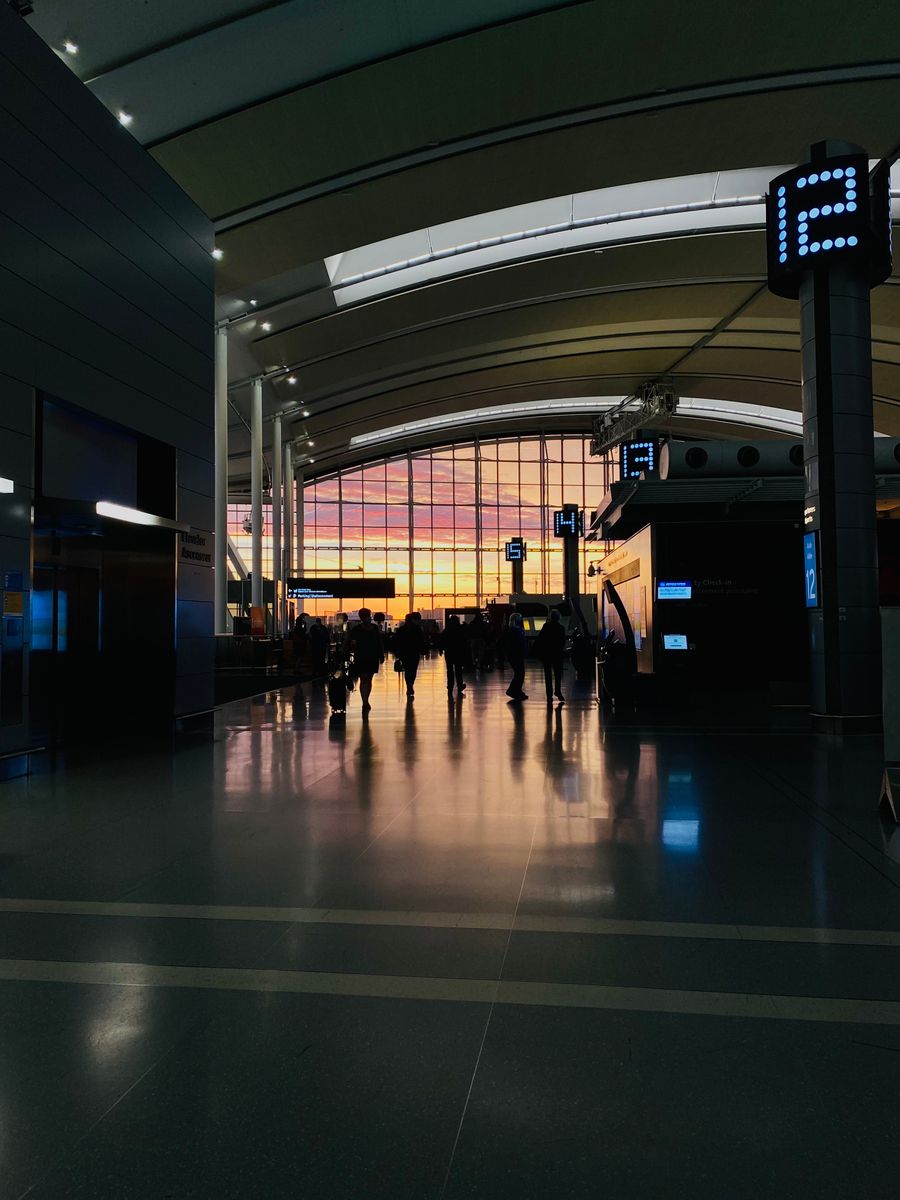
教学示意图:机场旅行——非谓语动词的场景
I want to travel. I enjoy reading.
to do(不定式)常表示目的、将来、具体的一次动作:I want to travel to London. 我想去伦敦旅行。He got up early to catch the train. 他早起是为了赶火车(表目的)。
doing(动名词 / 现在分词)常表示习惯、抽象、泛指的动作,或进行:I enjoy reading. 我喜欢读书。Swimming is good exercise. 游泳是很好的锻炼。The girl singing is my sister. 正在唱歌的女孩是我姐姐(现在分词作定语)。
done(过去分词)常表示被动、完成:The bridge built last year is still in use. 去年建的桥仍在使用(过去分词作定语,表被动)。Seen from the hill, the city looks beautiful. 从山上看,这座城市很美(作状语)。
to do 表目的将来,doing 表主动进行,done 表被动完成。

教学示意图:毕业季——非谓语的固定搭配
常跟固定形式的动词
有些动词后只跟 to do:want, hope, decide, plan, learn, agree。I decided to study abroad. 我决定出国留学。
有些动词后只跟 doing:enjoy, finish, mind, keep, practice, suggest。She finished writing the report. 她写完了报告。Would you mind opening the window? 你介意开窗吗?
有些动词后跟 to do / doing 意思不同:remember / forget / stop。Remember to lock the door. 记得去锁门(还没锁);Remember locking the door. 记得锁过门(已锁)。Stop to talk 停下来去说话;stop talking 停止说话。
还有固定结构:It is + adj. + to do(It's important to learn English)与 It is no use + doing(It's no use crying over spilt milk 覆水难收)。
to do目的 / 将来
He studies hard to pass the exam. 他努力学习是为了通过考试。
doing主动 / 进行
Reading helps me relax. 阅读帮我放松。
done被动 / 完成
Written in English, the letter is easy to read. 这信用英文写的,很好读。
搭配辨析stop 等
Let's stop to have a rest. 我们停下来去休息一下。
展开 ▾to do
目的、将来
want to do;decide to do;表目的:to catch the bus。
展开 ▾doing
习惯、进行、主动
enjoy doing;finish doing;The girl singing(主动进行)。
展开 ▾done
被动、完成
The bridge built last year(被动);Seen from the hill(作状语)。
展开 ▾固定搭配
牢记动词偏好
want / hope / decide + to do;enjoy / finish / mind + doing。